Choosing the right point-of-sale (POS) system is one of the most important technology decisions a grocery or convenience store can make. Your POS impacts everything, from checkout speed and inventory accuracy to reporting, margins, and long-term operating costs.
Many stores today are deciding between legacy (on-premise) POS systems and modern cloud-based POS platforms. While both can process transactions, they are built for very different eras of retail.
Below, we’ll break down the key differences and help you determine which option makes the most sense for your store.
Cloud POS vs. Legacy POS: What’s Better for Grocery & Convenience Stores?
What Is a Legacy POS System?
Legacy POS systems are typically on-premise, meaning the software runs on a local server or back-office computer inside your store. These systems have been around for decades and are still common in grocery.
Typical characteristics:
-
On-site server or controller
-
Software updates installed manually
-
Higher upfront hardware and licensing costs
-
Reliance on local IT or vendor support
-
Limited remote access
While many legacy systems are powerful, they often come with higher costs, longer setup times, and less flexibility.
What Is a Cloud POS System?
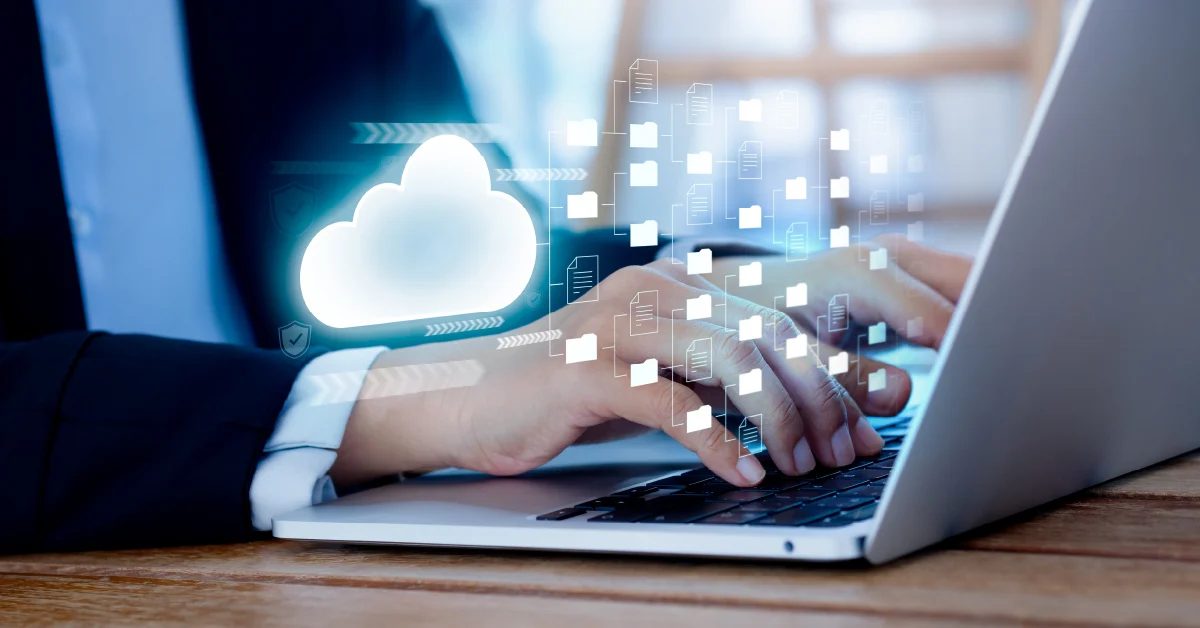
A cloud POS is built on modern cloud infrastructure. Instead of relying on a local server, data is securely stored and synced in the cloud, allowing access from anywhere.
Typical characteristics:
-
No on-site server required
-
Automatic updates and feature releases
-
Remote access to reports and back office
-
Faster deployment
-
Lower upfront costs
Cloud POS platforms are designed to adapt quickly as your business grows or changes.
Key Differences That Matter for Grocery & Convenience Store Operators
1. Cost Structure
Legacy POS:
-
Large upfront investment
-
Annual licensing and maintenance fees
-
Paid upgrades every few years
-
On-site support costs
Cloud POS:
-
Predictable monthly subscription
-
Minimal upfront hardware investment
-
Updates included
-
Reduced IT and maintenance costs
For many independent grocers, cloud POS offers a lower total cost of ownership over time.
2. Deployment & Updates
Legacy POS:
-
Longer implementation timelines
-
Updates require scheduling downtime
-
New features may cost extra
Cloud POS:
-
Faster setup and onboarding
-
Updates happen automatically
-
New features roll out continuously
This is especially important in grocery, where pricing, taxes, EBT, and compliance rules change frequently.
3. Reporting & Visibility
Legacy POS:
-
Reports often only available in-store
-
Limited real-time visibility
-
Data exports can be manual
Cloud POS:
-
Real-time reporting from anywhere
-
Sales, margins, and inventory always up to date
-
Easier data sharing with accountants and managers
For owners managing multiple locations, or even just wanting insight from home, this is a major advantage.
4. Scalability & Flexibility
Legacy POS:
-
Scaling often requires new servers or licenses
-
Hardware-dependent
-
Custom changes can be costly
Cloud POS:
-
Easy to add lanes or locations
-
Software scales with your business
-
Faster customization and improvements
This flexibility is critical as stores add services like deli, hot food, online ordering, or loyalty programs.
5. Support & Reliability
Legacy POS:
-
Support may require on-site visits
-
Hardware failures can cause downtime
-
Updates depend on vendor schedules
Cloud POS:
-
Remote support and diagnostics
-
Redundant cloud backups
-
Faster issue resolution
Modern cloud systems are built with redundancy and uptime in mind, reducing risk during peak hours.
So… Which Is Better?
The answer depends on your goals.
Legacy POS may make sense if:
-
You already own the system outright
-
Your operation is stable and unlikely to change
-
You’re comfortable with higher maintenance costs
Cloud POS is often the better choice if:
-
You want lower upfront costs
-
You value flexibility and remote access
-
You want continuous improvements without expensive upgrades
-
You’re planning to grow or modernize operations
Final Thoughts
The grocery and convenience industry is changing fast. Labor costs, tighter margins, and customer expectations continue to rise. Technology should make your job easier—not harder.
For many independent operators, cloud POS systems provide the agility, visibility, and cost control needed to stay competitive without the complexity of legacy software.
If you’re evaluating your current POS or simply want to understand what modern systems can offer, starting with a cloud-first mindset can open the door to smarter, more efficient operations.